- Course creator: Marciano Quitiviz
Category: CWTS/Entrep/Phys
This subject deals with the concepts, underlying principles, processes and implementation of a business plan. The preliminaries of this course include the following: 1) discussion on the relevance of the course; 2) explanation of key concepts of common competencies; 3) explanation of core competencies relative to the course; and 4) exploration of career opportunities.
This course deals with the concepts, underlying principles, processes and implementation of a business plan. The preliminaries of this course include the following:
1) discussion on the relevance of the course;
2) explanation of key concepts of common competencies;
3) explanation of core competencies relative to the course; and
4) exploration of career opportunities.
This course deals with the concepts, underlying principles, processes and implementation of a business plan. The preliminaries of this course include the following:
1) discussion on the relevance of the course;
2) explanation of key concepts of common competencies;
3) explanation of core competencies relative to the course; and
4) exploration of career opportunities.
FACTORY AUTOMATION
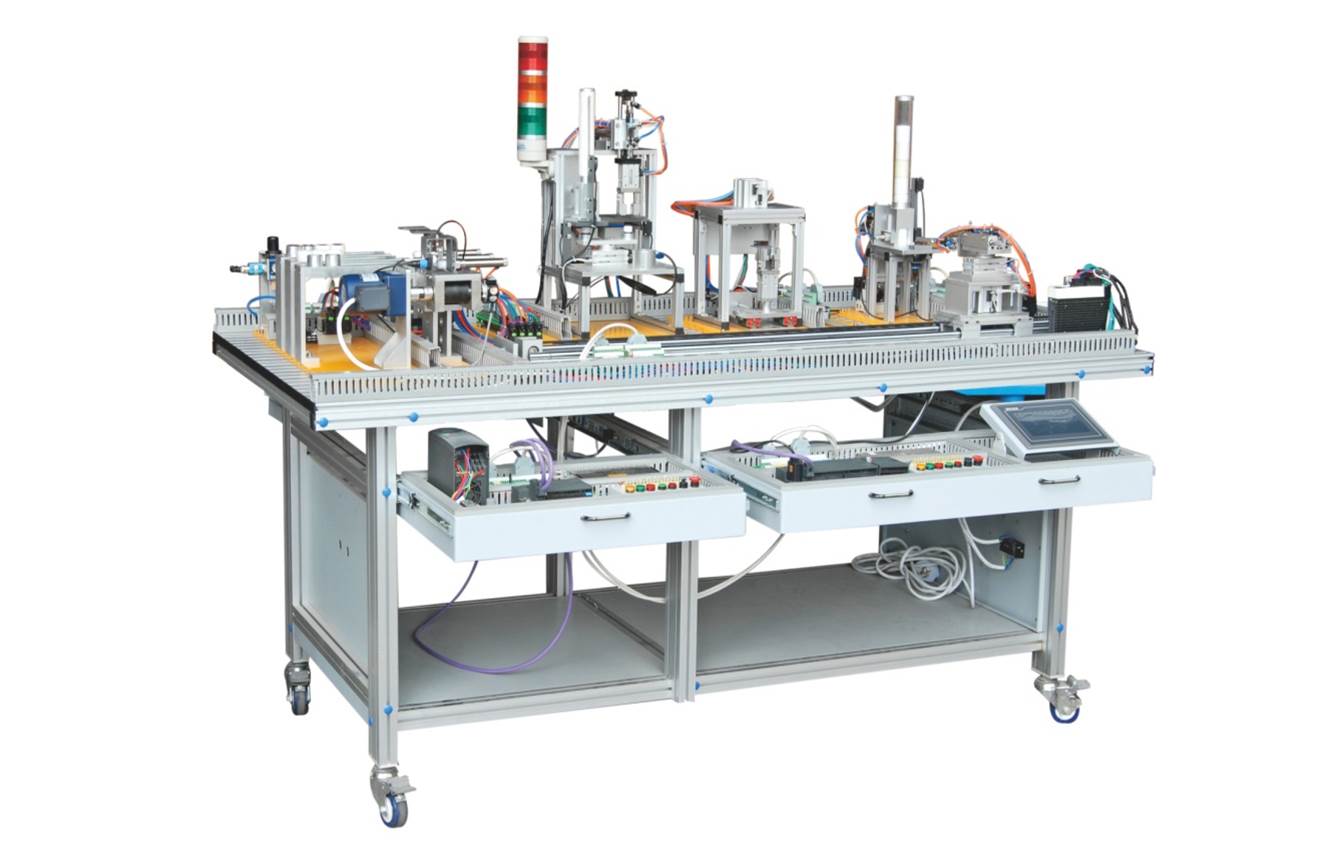
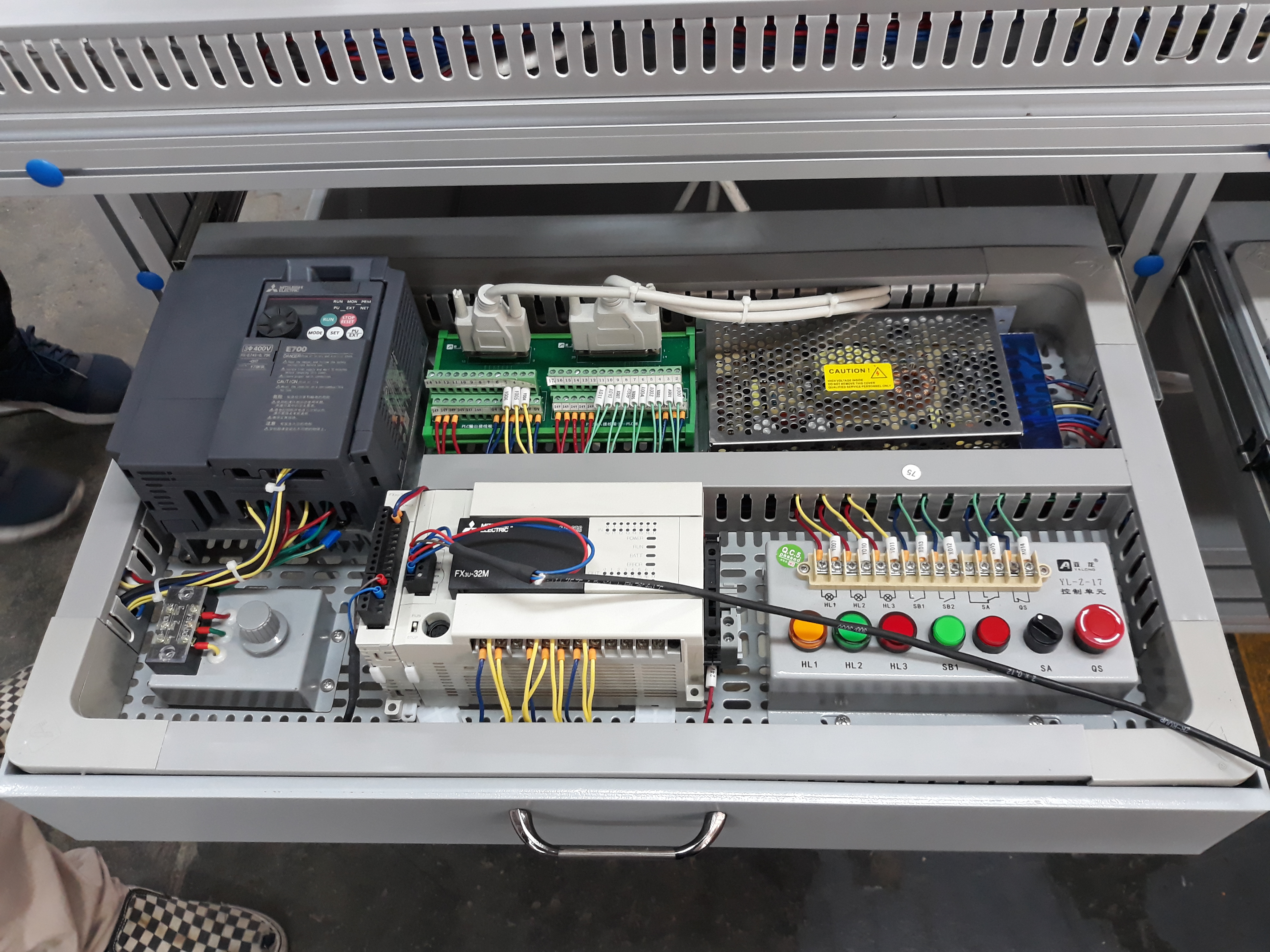
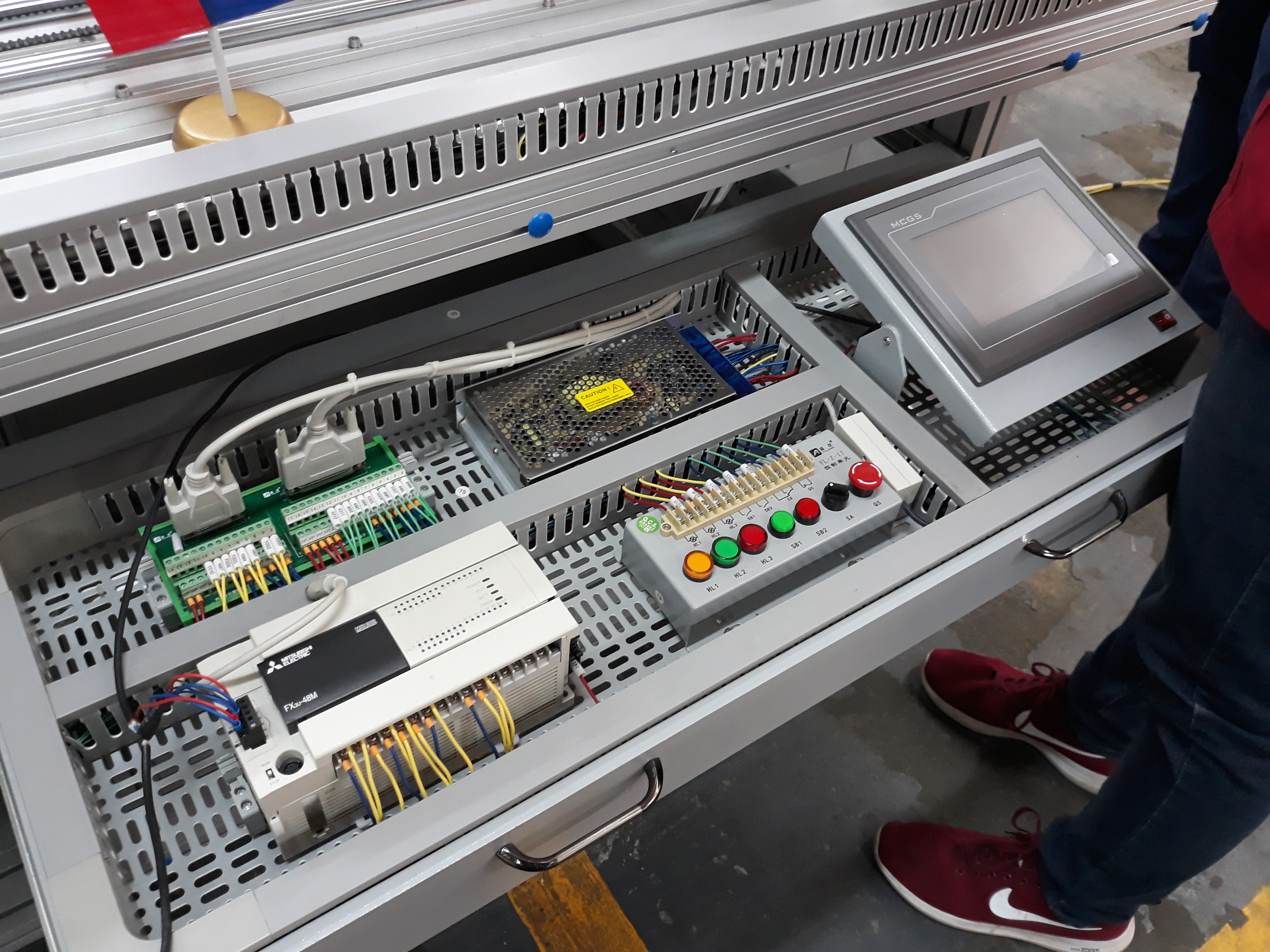
The scope of the whole course is the basic, intermediate and advance knowledge in the field of Factory Automation. In this course the student will learn the basic principle of pneumatics and electro-Pneumatics, Integrating electro-pneumatic components to a controller, Programmable Logic controller basic concept and principle such as hardwiring an AC/DC input/Output, programming basic and advance controller (Fx3u Mitsubishi PLC), Networking of PLC via Rs485 communication, basic parameter setup of Variable frequency drive (Siemens MM420) and servo driver for linear motion and SCADA Visualization using Wonder ware intouch.
WHAT IS AUTOMATION?
Automation is the further development of an existing mechanization and rationalization processes.
WHY AUTOMATE?
The word “automation” identifies a technical development which is seemingly unstoppable. Automation will certainly continue to stride forward, since there are three powerful arguments in its favor.
WHAT ARE THE EFFECTS OF AUTOMATION ON HUMAN BEINGS?
Automation means radical change in the workforce structure, both quantitatively and qualitatively. Frequently, a change in emphasis occurs from physical work to mental work, from unskilled to highly skilled work.
Thus, by Automation we can achieve the following:
Automation creates the possibility of freeing human beings from heavy or dangerous work
Automation facilitates better quality standard products. Using the technical means available today, we are able to control complex work sequence with great precision.
The goods manufactured by individual must assert themselves on the market against international competition which enjoys a more favorable cost structure. This is possible only if the goods are at least equal in price and quality to the competitors products. Automation makes it possible not only to reduce costs but also to make production facilities flexible and adaptable.
Other resources that you might be interested in (Automation related links):
This course deals with the knowledge, skills and attitude on fiber optics technology and concept. The program tackles understanding optical fiber parts and construction as well as identifying tools, materials and equipment in fiber optics splicing and termination. Laboratory activities are provided to enhance learning.
Upon the completion of the course the student should be able to:
Traditionally referred to as graphic design, communication design is the process by which messages and images are used to convey information to a targeted audience. It is within this spectrum that this textbook will address the many steps of creating and then producing physical, printed, or other imaged products that people interact with on a daily basis. Design itself is only the first step.
It is important when conceiving of a new design that the entire workflow through to production is taken into consideration. And while most modern graphic design is created on computers, using design software such as the Adobe suite of products, the ideas and concepts don’t stay on the computer. To create in-store signage, for instance, the ideas need to be completed in the computer software, then progress to an imaging (traditionally referred to as printing) process. This is a very wide-reaching and varied group of disciplines.
Physical Education and Health offers experiential learning for learners to adopt an active life for fitness and lifelong health. The knowledge, skills and understanding which include physical and health literacy competencies support them in accessing, synthesizing and evaluating information; making informed decisions; enhancing and advocating their own as well as others’ fitness and health.
This course on dance includes rhythmical movement patterns; the promotion and appreciation of Philippine folk dance, indigenous and traditional dances as well as other dance forms. It consists of an array of offering which learners can choose from.
At the end of this course, the students will be able to:
1. Discusses the nature of the different dances
2. Explain how to optimize the energy systems for safe and improved performance
3. Describe the connection of health behaviors ( eating habits, sleep and stress management) to health risk factors and physical activity assessment performance
4. Differentiates types of eating (fueling for performance, emotional eating, social eating, eating while watching tv or dance events)
5. Explains the role of physical activity assessments in managing one’s stress
6. Self-assesses health-related fitness (HRF) status, barriers to physical activity assessment participation and one’s diet
7. Sets FITT goal based on training principles to achieve and/or maintain HRF
8. Engages to moderate to vigorous physical activities (MVPAs) for at least 60 minutes most days of the week in a variety of settings in- and out- of the school
9. Analyzes physiological indicators such as heart rate, rate of perceived exertion and pacing associated with MVPAs to monitor and/or adjust participation or effort
10. Observes personal protocol to avoid dehydration, overexertion, hypo- and hyperthermia during MVPAs participation
11. Identifies school and community resource in cases of an injury or emergency
12. Participate in an organized event that addresses heath/dance issues and concerns
13. Explain the value of optimizing one’s health through participation in physical activity assessment
Displays one’s potential for health and dance related career opportunities